
Summary
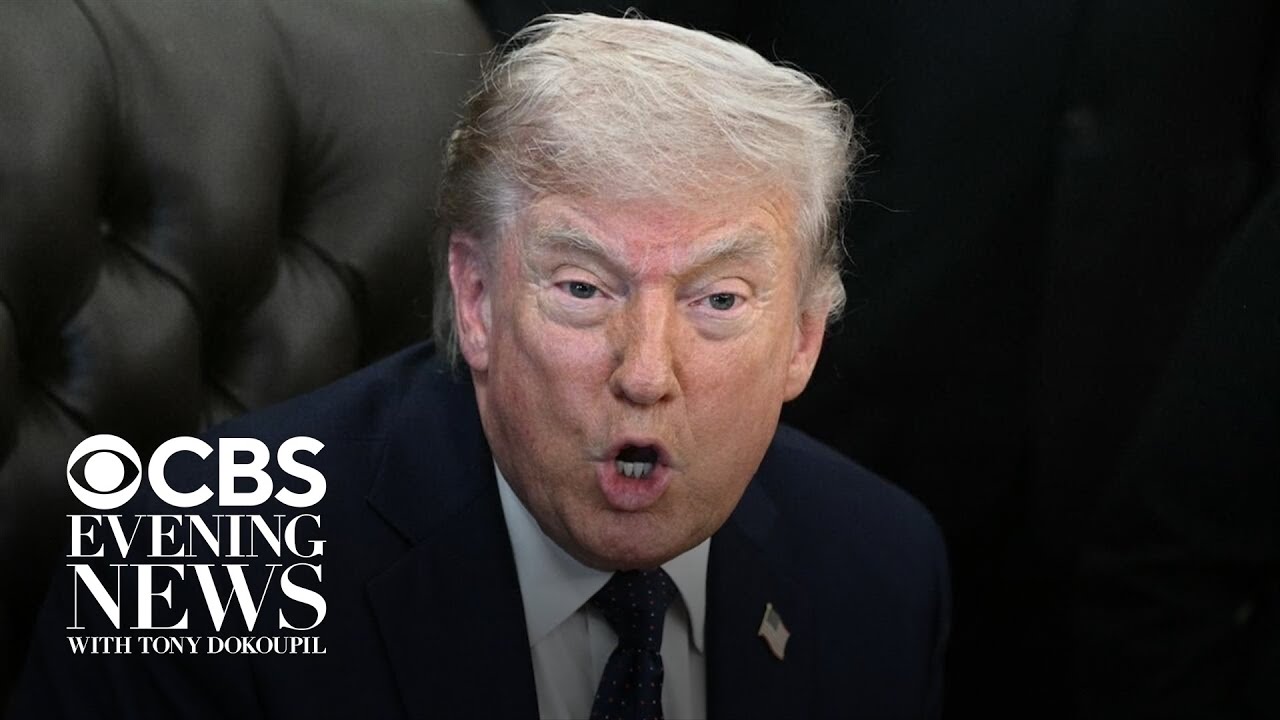
President **Trump** abruptly canceled a planned U.S. delegation trip to **Pakistan** for Iran peace talks on Saturday, April 25, 2026. The decision followed minutes after Iran's Foreign Minister, **Abbas Araghchi**, departed Islamabad, where he had arrived the previous day. The U.S. delegation, including special envoy **Steve Witkoff** and **Jared Kushner**, was set to engage in a new round of discussions hosted by Pakistan, which had previously facilitated direct U.S.-Iran talks. This development occurs amidst escalating regional tensions, including Israeli strikes in southern Lebanon targeting **Hezbollah**, a group also firing rockets into Israel, despite a U.S.-brokered ceasefire extension.
Key Takeaways
- President Trump canceled a U.S. delegation's trip to Pakistan for Iran peace talks.
- The cancellation occurred shortly after Iran's Foreign Minister departed Islamabad.
- The U.S. cited time wasted on travel as a reason for the cancellation.
- The event coincides with escalating conflict between Israel and Hezbollah in southern Lebanon.
- Iran has expressed dissatisfaction with U.S. actions, including a naval blockade, impacting peace talks.
Balanced Perspective
The sequence of events—Iran's Foreign Minister departing Pakistan and then President Trump canceling the U.S. delegation's travel—points to a breakdown in immediate diplomatic coordination. While Pakistan hosted talks, Iran's spokesperson denied a direct U.S.-Iran meeting was planned, indicating a potential disconnect in expectations. The cancellation, framed by Trump as a time-saving measure, leaves the status of ongoing peace efforts with Iran and the broader [[Middle East]] conflict uncertain, especially given the simultaneous escalation between Israel and [[Hezbollah]].
Optimistic View
This cancellation, while seemingly abrupt, could signal a strategic shift towards more efficient, perhaps virtual, diplomacy. **President Trump**'s assertion of holding 'all the cards' suggests a confidence that direct travel is unnecessary, potentially paving the way for quicker, more decisive negotiations via telephone. The focus remains on de-escalating the broader conflict, and this pause might allow for clearer communication channels to be established, ultimately leading to a more stable resolution in the [[Middle East]].
Critical View
This abrupt cancellation, directly following Iran's departure from Pakistan, signals a significant setback for U.S.-Iran peace efforts and underscores the deep mistrust between the two nations. Iran's dismissal of the U.S.-extended ceasefire as 'meaningless' due to the naval blockade, coupled with their insistence on pausing fighting in Lebanon as a precondition, highlights the steep hurdles. The cancellation risks further alienating Iran and emboldening regional proxies like [[Hezbollah]], potentially leading to a more volatile [[Middle East]] conflict.
Source
Originally reported by NPR