
Contents
Overview
Workshops are specialized facilities where goods are manufactured, repaired, or processed, playing a crucial role in various industries, including automotive, woodworking, metalworking, and electronics. With a rich history, workshops have evolved to accommodate modern technologies and innovative practices. Today, workshops can be found in homes, garages, and external sheds, serving as hubs for DIY projects, prototyping, and community engagement. The concept of workshops is classified as a facility, building complex, architectural structure, industrial building, industrial facility, and organization. The DIY culture has contributed to the growth of workshops, with the rise of makerspaces and hackerspaces.
🎵 Origins & History
Origins paragraph — The concept of workshops has evolved over time. Workshops can be found in various settings, from homes and garages to external sheds and industrial facilities.
⚙️ How It Works
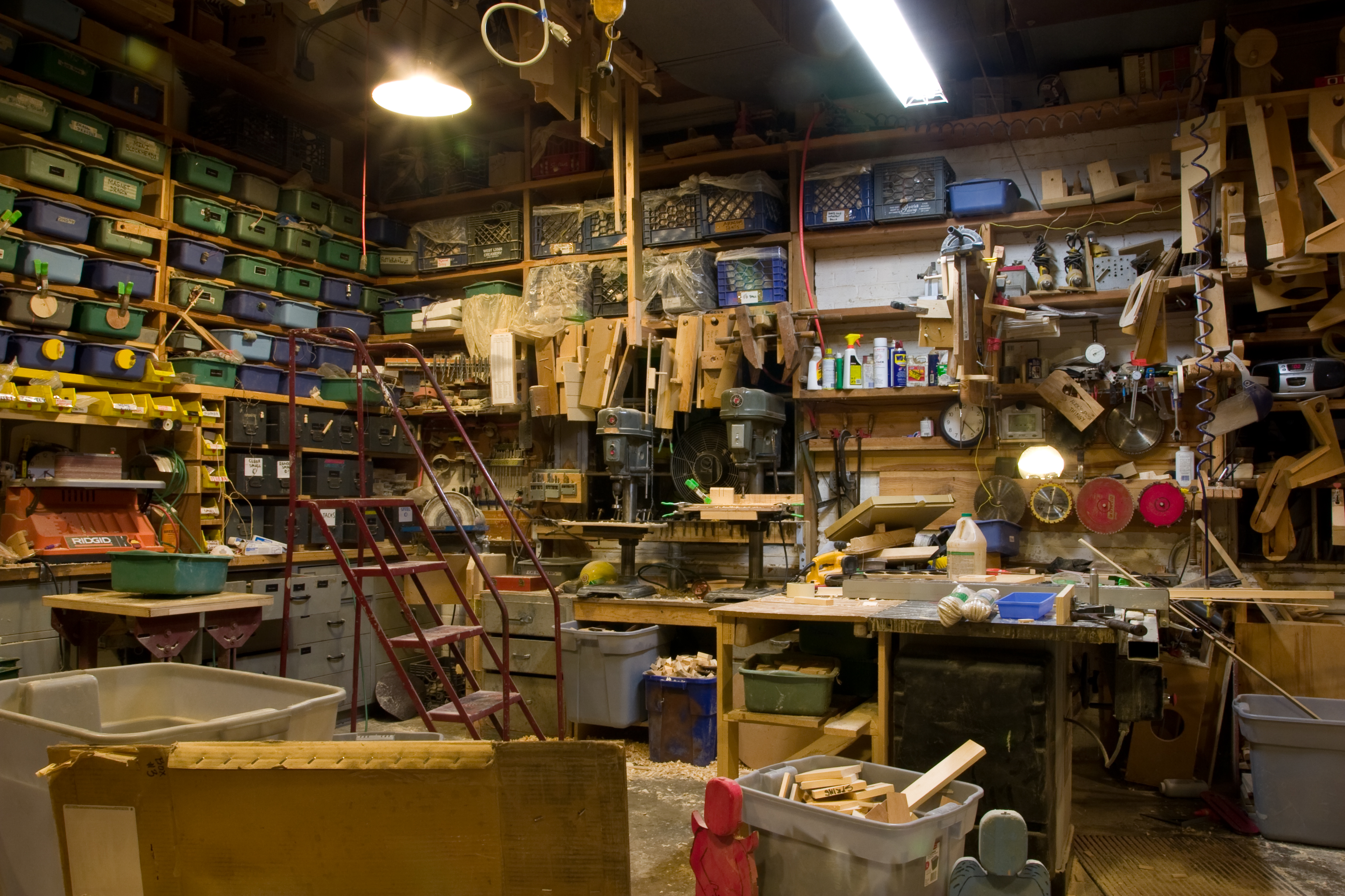
How it works — Workshops typically contain a workbench, hand tools, power tools, and other hardware, providing a space for individuals to manufacture, repair, or process goods. The specific equipment and machinery used in a workshop depend on the type of industry or activity being conducted. For example, a woodworking workshop might include table saws, drill presses, and sanders, while an electronics workshop might include soldering irons, oscilloscopes, and microcontrollers. The use of modern technologies, such as 3D printing and CNC machining, has expanded the capabilities of workshops. The Internet of Things has also played a significant role in the evolution of workshops, with the development of smart manufacturing technologies.
📊 Key Facts & Numbers
Key facts — The concept of workshops is classified as a facility, building complex, architectural structure, industrial building, industrial facility, and organization. The DIY culture has contributed to the growth of workshops, with the rise of makerspaces and hackerspaces.
👥 Key People & Organizations
Key people — Individuals have played a role in the development of workshops, particularly in the context of industrialization and mass production.
🌍 Cultural Impact & Influence
Cultural impact — Workshops have had an impact on culture. The DIY culture has contributed to the growth of workshops, with the rise of makerspaces and hackerspaces.
⚡ Current State & Latest Developments
Current state — Today, workshops continue to play a vital role in various industries, with a growing emphasis on innovation and community engagement. The environmental impact of workshops is a concern, with the use of materials and energy contributing to greenhouse gas emissions.
🤔 Controversies & Debates
Controversies — One of the controversies surrounding workshops is the issue of safety, particularly in the context of DIY projects and amateur repairs. The use of power tools and machinery can be hazardous if proper safety protocols are not followed.
🔮 Future Outlook & Predictions
Future outlook — The future of workshops is uncertain and may be shaped by various factors.
💡 Practical Applications
Practical applications — Workshops have numerous practical applications, ranging from DIY projects and repairs to industrial manufacturing and prototyping. The use of workshops can enable individuals to develop new skills, create innovative products, and engage with their communities.
Key Facts
- Category
- workshops
- Type
- concept